Attempts to adapt an enterprise HR tool for a 15-person remote startup revealed that the initial implementation approach was unsuitable. Teams often get bogged down in custom implementation modules when all that is actually needed is a simple way to track PTO and onboard a new frontend developer. Choosing the right HR platform is a massive headache when you’re scaling fast.
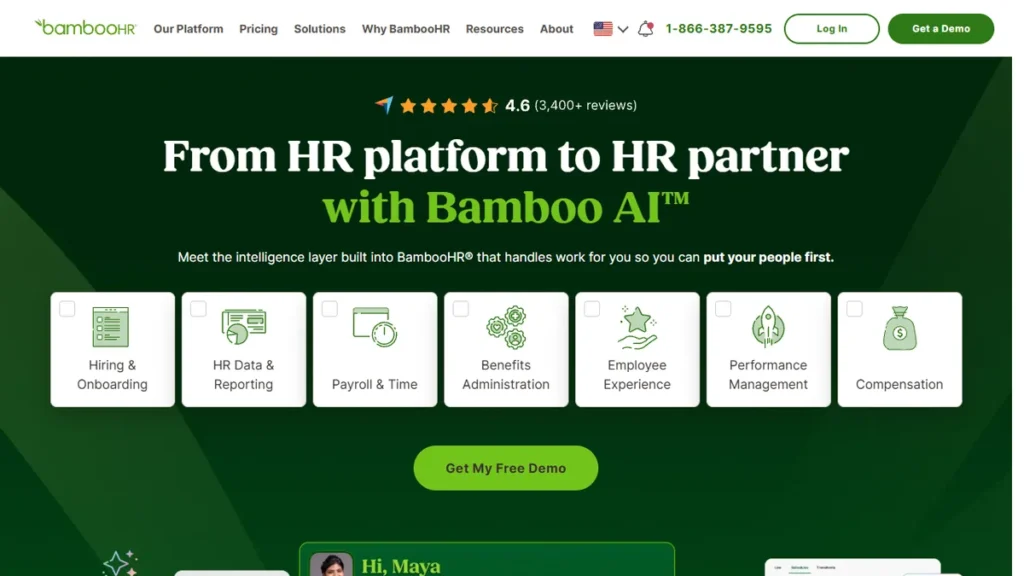
You want something that handles the messy compliance stuff without requiring a dedicated HR manager just to navigate the dashboard. That’s exactly why comparing BambooHR vs Workday for remote tech startups is so critical right now. One is built like a friendly neighborhood HR assistant, while the other is a massive, complex beast designed for Fortune 500s.
Many startup founders struggle with both systems while setting up their tech stacks. Honestly, most founders default to big names without checking if the tool fits their actual headcount. In this breakdown, we examine exactly where each platform shines and where they completely fall apart. We explore the real pricing hidden behind “contact sales” buttons, and highlight which one is truly worth paying for today.
Table of Contents
Head-to-Head: What Actually Matters for a Distributed Team
When you’re evaluating these tools, you have to look past the shiny marketing pages. A distributed team has very specific needs that most legacy HR tools completely ignore. You need frictionless remote onboarding, multi-state compliance, and an interface that developers won’t actively hate using.
Let’s talk about implementation first. Setting up an HR system shouldn’t feel like a second full-time job. BambooHR is famously plug-and-play, allowing accounts to be configured with custom time-off policies very quickly. Workday, on the other hand, is a completely different animal.
According to a recent Gartner report on HR software deployment, enterprise systems like Workday often take six to twelve months to fully implement. That’s a lifetime for a fast-moving startup. By the time you finish setting it up, your company size might have doubled.
Then there’s the integration ecosystem. Your HR tool needs to talk to your existing stack. If you’re already reading up on tools like marketing automation platforms, you know how crucial API access is. BambooHR connects beautifully with Slack, Google Workspace, and popular applicant tracking systems. Workday integrates with everything too, but usually requires expensive middleware or a dedicated IT consultant to configure.
Pricing transparency is another massive friction point. Startups need predictable burn rates. BambooHR gives you a clear per-employee cost, usually hovering around $8 to $11 per user monthly. Workday hides everything behind enterprise contracts. Data from Statista’s enterprise software analysis shows that enterprise HR deployments often start at $40,000 annually. That’s an absurd price tag if you only have 30 employees.
Finally, consider the user experience for your actual team. Remote workers already suffer from app fatigue. If logging PTO takes seven clicks, they just won’t do it. BambooHR’s mobile app is genuinely excellent—clean, fast, and intuitive. Workday’s interface feels like it was designed in 2012 and never updated.
It’s powerful, sure, but it’s incredibly dense. If you’re also weighing options for your agency’s tech stack, like in this GoHighLevel vs ClickFunnels showdown, you know that clunky UI kills adoption instantly. Ultimately, comparing these solutions comes down to your growth trajectory. If you plan to stay under 500 employees for the next three years, one of these is a clear winner.
Comparison Table 📊
| Tool | Best For | Starting Price | Free Plan | Rating |
|---|---|---|---|---|
| BambooHR | Remote Startups | ~$8.25/user/mo | 7-day trial | 4.8/5 |
| Workday HCM | Enterprise & Pre-IPO | $40,000+/year | No | 4.2/5 |
Frequently Asked Questions
Why is choosing the right HR platform so important for tech teams?
Choosing the wrong HR platform can completely derail your startup’s operations. When comparing the platforms, you’re essentially choosing between agility and enterprise scale. If you pick Workday too early, you’ll burn cash on features you don’t need. If you outgrow BambooHR too fast, migrating data later is a nightmare.
Can BambooHR handle international remote workers?
Yes, but with some heavy caveats. BambooHR is fantastic for tracking core HR data, PTO, and onboarding for global employees. However, its native payroll system is strictly US-based. If you want to actually pay your international remote team, you’ll need to integrate it with a global payroll provider like Deel or Remote.
Is Workday ever worth the cost for a small startup?
Honestly, no. Unless you have a massive influx of venture capital and plan to scale from 50 to 1,000 employees in a single year, Workday is overkill. The base cost and implementation fees will drain your runway. Startups are much better off using lightweight, agile tools until they hit the 500-employee mark.
How long does it take to implement these HR systems?
This is where the two platforms differ wildly. BambooHR can usually be fully deployed in four to six weeks, and sometimes even faster if your data is clean. Workday implementations are massive corporate projects. They typically take anywhere from six to twelve months and require dedicated project managers to oversee the transition.
What is the best alternative if neither of these fits a team’s requirements?
If BambooHR feels too basic but Workday is too expensive, we highly recommend looking at Gusto or Rippling. Rippling, in particular, is incredible for remote tech startups because it tightly integrates HR with IT device management. You can ship a laptop to a new hire and set up their payroll in one click.

Final Verdict & Recommendation 🥇
Let’s wrap this up. If you’re running a lean, fast-moving company, the winner of this HR platform comparison is exceptionally clear. BambooHR is the absolute best choice for 95% of early-stage and mid-sized startups. It’s affordable, the UI is fantastic, and it won’t require you to hire a dedicated systems administrator just to run payroll.
Workday is an absolute powerhouse, but it’s built for massive enterprises. Buying Workday for a 50-person startup is like buying a commercial Boeing 747 for your daily commute. It’s expensive, complicated, and entirely unnecessary for your current stage of growth. Stick with BambooHR, save your runway, and focus on actually building your product.

Written by Giorgi Sakandelidze
I research and compare software tools using official documentation, pricing pages, and verified user feedback to help solopreneurs and creators find the right fit.
How we research and compare tools →
🕒 Last updated: 2026-08-21 — We update our reviews whenever tools change pricing or features.