Analysis of email service provider transitions often indicates overpayment for features that remain unused.
Email marketing costs can easily reach $120 each month just to broadcast a weekly dispatch to a few thousand readers. When a software stack eats into your monthly margins without driving measurable sales, it is time to audit your subscriptions.
For independent software operators, content creators, and small businesses, this decision usually centers on two heavyweights: Brevo (formerly Sendinblue) and Kit (formerly ConvertKit).
Choosing a winner between Brevo and ConvertKit is not about matching checkboxes on a vendor landing page. Both tools approach audience communication with fundamentally opposing business models and technical architectures.
One platform bills by send volume and acts as a multi-channel CRM. The other charges by subscriber count and focuses on creator commerce and newsletter monetization.
Both platforms support split-test broadcasts, behavioral automations, and deliverability monitoring. Here is an in-depth comparison based on platform features and verified data, including where each tool falls short.
Table of Contents
- The Core Differences: How Brevo and ConvertKit Actually Differ
- 1. Brevo (Formerly Sendinblue) Review
- 2. Kit (Formerly ConvertKit) Review
- Brevo vs Kit: What Changed in 2026?
- Sendinblue vs ConvertKit: Architectural Origins
- Klaviyo vs ConvertKit: The E-Commerce Creator Conundrum
- 2026 Comparison Table
- Buyer’s Guide: How to Choose for Your Workflow
- Frequently Asked Questions
- Giorgi’s Final Verdict
The Core Differences: How Brevo and ConvertKit Actually Differ
The single most important difference between Brevo and ConvertKit is billing structure. This architectural choice determines whether your email platform remains an asset or becomes an unsustainable cost as you scale.
Brevo charges strictly based on the number of emails you dispatch each month, regardless of your list size. You can host 100,000 subscriber records on Brevo without paying a cent for list storage if you do not send to them.
Kit (ConvertKit) bills you based on the total number of contacts stored in your database. If your list grows due to an organic spike or lead magnet campaign, your monthly fee increases even if those new subscribers never purchase a product.
According to benchmark data compiled by Statista on marketing ROI, software overhead is one of the quickest drains on small business operating margins. Paying recurring seat penalties on dormant email addresses damages your unit economics.
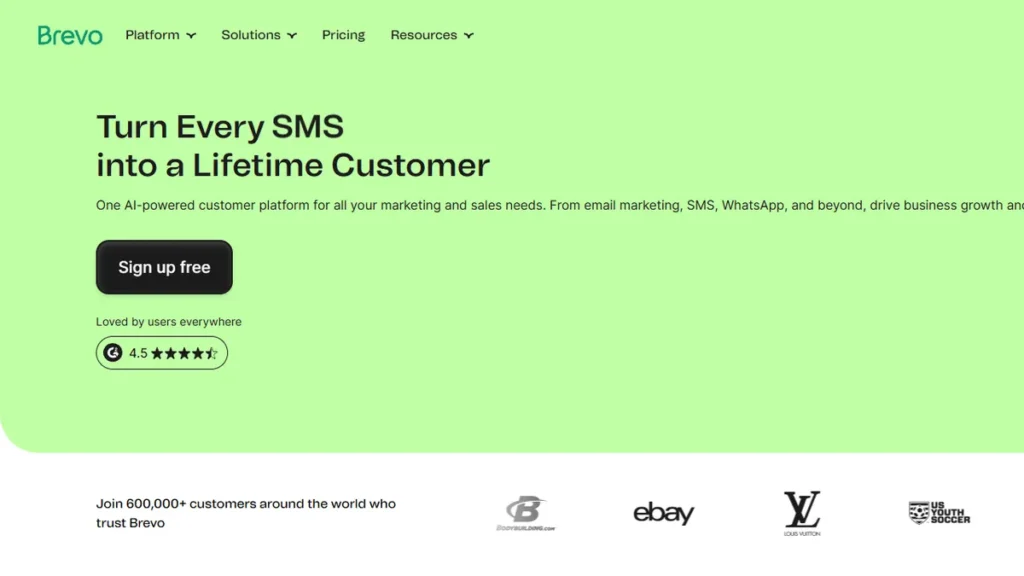
The second major split is channel scope. Brevo is a multi-channel hub offering email, SMS marketing, WhatsApp campaigns, live web chat, and a native sales pipeline.
Kit is built deliberately for writers, educators, and solopreneurs. It strips away CRM deal pipelines and SMS messaging to concentrate purely on newsletters, automated digital product funnels, and creator recommendations.
Brevo vs Kit: What Changed in 2026?
Searchers regularly ask about brevo vs kit because both companies spent the last two years rebranding and refactoring their core products. ConvertKit changed its name to Kit, while Sendinblue transitioned to Brevo.
This was not just cosmetic marketing. Kit expanded its native commerce tools, allowing operators to run digital downloads, coaching sessions, and paid newsletter subscriptions without needing external software like Gumroad.
Meanwhile, Brevo doubled down on becoming an affordable rival to enterprise platforms like HubSpot. Brevo introduced an AI-assisted email composer, integrated phone calling directly into their CRM dashboard, and enhanced WhatsApp automation sequences.
When analyzing brevo vs kit today, the lines are sharper than ever. Kit owns the creative solopreneur space, while Brevo is built for teams running client operations, physical products, and customer support desks under one roof.
Sendinblue vs ConvertKit: Architectural Origins
Looking at the historical sendinblue vs convertkit landscape explains why these tools function so differently under the hood.
Sendinblue originated in France as an infrastructure-first transactional email engine. It was built to compete with services like SendGrid and Mailgun, focusing heavily on server throughput, delivery speeds, and developers looking for reliable APIs.
ConvertKit was founded by Nathan Barry specifically to solve problems for professional bloggers who were tired of Mailchimp’s confusing list-based structure. It pioneered tag-based subscriber management, treating a contact as a single person who simply collects tags as they interact with content.
That heritage remains obvious. If your business depends on operational triggers—such as webhook-driven transactional receipts, password resets, and inventory alerts—the Sendinblue/Brevo architecture is superior.
If your business depends on subscriber behavior, segmentation tags, and progressive content delivery, ConvertKit’s architecture is vastly more refined.
Klaviyo vs ConvertKit: The E-Commerce Creator Conundrum
A frequent comparison point for modern businesses is klaviyo vs convertkit. Both platforms serve online businesses, but they handle customer data differently.
Klaviyo is engineered around deep transactional e-commerce metrics. It tracks customer lifetime value (LTV), predicts next purchase dates, monitors cart abandonment down to specific SKU variants, and syncs directly with Shopify and WooCommerce databases.
Kit handles lightweight commerce—like selling a PDF guide, a digital course, or consulting hours. It is not built to track complex inventory variants, fulfillment statuses, or back-in-stock notifications.
In the klaviyo vs convertkit decision tree:
- Choose Klaviyo if you manage a physical e-commerce store with over 50 SKUs where cart recovery automations directly drive daily cash flow.
- Choose Kit (ConvertKit) if your primary asset is your written voice, newsletter, or personal brand, and you sell digital products alongside your content.
Klaviyo is also considerably more expensive than both Brevo and Kit, often catching business owners off guard when their subscriber list grows past 10,000 contacts.
2026 Comparison Table 📊
Here is how the top email platforms compare across features, costs, and primary use cases:
| Platform | Best For | Free Tier | Starting Paid Price | Deliverability | Rating |
|---|---|---|---|---|---|
| Brevo | Multi-channel & High Volume | 300 sends/day, unlimited contacts | $9/mo (5k emails) | Shared IPs on entry plans | 4.6 / 5.0 |
| Kit (ConvertKit) | Creators & Newsletter Monetization | Up to 10k contacts (simple sends) | $33/mo (1k subs, annual) | Plain-text defaults, strict anti-spam | 4.8 / 5.0 |
| Klaviyo | DTC & Physical E-Commerce | 250 contacts & 500 sends | $20/mo (500 contacts) | Strict list-hygiene rules | 4.7 / 5.0 |
| MailerLite | Budget-Conscious Solos | 250 contacts & 2.5k sends | $12/mo (Comfort) | Manual account approval | 4.5 / 5.0 |
Buyer’s Guide: How to Choose for Your Workflow in 2026
Choosing between these platforms requires evaluating how you generate revenue and communicate with your audience. Avoid paying for feature suites you will never use.
1. Examine Your Send Cadence and List Growth
If you run a seasonal business or distribute a monthly roundup to 30,000 people, Brevo is significantly more cost-effective. Storing 30,000 subscribers on Kit costs over $200 per month, whereas Brevo only charges you for the actual batch of emails you send.
Conversely, if you run a daily or three-times-per-week newsletter to 2,000 highly active fans, Kit’s per-subscriber billing delivers far better value.
2. Assess Multi-Channel Requirements
Do you need to message customers via WhatsApp or text them appointment reminders? Brevo handles these natively from a single contact timeline.
If you choose Kit, you must manage external SMS providers like SimpleTexting via Zapier, which adds operational complexity and extra monthly subscription fees.
3. Visual Logic vs Raw Simplicity
Research published by Gartner on marketing automation demonstrates that complex software interfaces cause smaller teams to abandon automated workflows entirely.
If you dread convoluted menus, Kit’s automation builder is worth the price premium. It makes building branch logic intuitive, saving you hours of troubleshooting.
Frequently Asked Questions
Brevo vs Kit: Is ConvertKit still the same product after the name change?
Yes. ConvertKit rebranded to Kit to reflect a broader platform for digital creators, including an app marketplace, paid digital commerce, and the Creator Network. The visual automation engine and tag-based organization remain identical to the legacy ConvertKit system.
How does Klaviyo vs ConvertKit compare for e-commerce stores?
Klaviyo is explicitly tailored for retail and physical e-commerce stores using platforms like Shopify. It handles SKU-level tracking, predictive replenishment reminders, and precise revenue attribution. Kit is designed for creators selling digital downloads, memberships, or newsletters, where relationship-based plain-text communication drives sales.
What is the difference between Sendinblue vs ConvertKit?
Sendinblue (now Brevo) originated as a transactional email service and API infrastructure, evolving into an all-in-one CRM with email, SMS, and chat. ConvertKit (now Kit) was built from the ground up as a subscriber-focused newsletter and tagging engine for bloggers, podcasters, and digital educators.
Which platform delivers better inbox deliverability in 2026?
Kit has a strong reputation for primary inbox placement. Kit’s strict anti-spam policies and plain-text default templates give it a distinct advantage over shared IP pools on entry-level marketing plans.
Can I migrate my subscriber tags from Kit to Brevo easily?
Yes, but it requires formatting your CSV export. Kit allows you to export contacts with their associated tags in a single column separated by commas. Brevo requires individual contact attributes or separate lists to replicate those tags accurately during import.
Final Verdict: Brevo vs ConvertKit (Kit)
If you are a solo creator, writer, or educator whose primary asset is your relationship with an audience, Kit (ConvertKit) remains the superior tool. Its visual sequence builder, Creator Network discovery engine, and clean plain-text composer save countless hours of setup time and protect your inbox placement.
However, if you operate a traditional business, an agency managing multiple clients, or an e-commerce brand that needs transactional order receipts, WhatsApp messaging, and SMS broadcasts, Brevo is the indisputable winner. Its pay-per-send model saves hundreds of dollars annually by never charging you for dormant contacts.

Written by Giorgi Sakandelidze
I research and compare software tools using official documentation, pricing pages, and verified user feedback to help solopreneurs and creators find the right fit.
How we research and compare tools →
🕒 Last updated: 2026-03-29 — Verified for 2026 software pricing and feature accuracy.
Evaluating options under brevo vs convertkit helps streamline decision-making and identify the ideal tool for your specific workflow.