Rogue Spending Is Quietly Eroding Operating Margins
Uncontrolled organizational spending rarely starts with a massive accounting error. It begins when department managers swipe corporate credit cards for redundant SaaS seats, execute ambiguous statements of work over email, or bypass clunky legacy intake portals. By the time accounts payable uncovers the discrepancies during quarterly reconciliations, thousands of dollars in operating margin have quietly vanished.
Modern enterprise finance teams are turning to ai procurement software to stop spending leakage at the point of request. Instead of relying on rigid ticketing systems that employees actively route around, modern procurement ai software embeds directly into everyday communication channels like Slack and Microsoft Teams. It automates intake routing, flags duplicate software, cross-references budget limits, and accelerates vendor reviews.
Integrating intelligent purchasing workflows also transforms forward-looking financial governance. Pairing modern intake controls with platforms analyzed in our guide to the Best AI Financial Forecasting Tools allows finance leads to align real-time purchasing commitments directly with dynamic rolling forecasts. Furthermore, linking automated intake alongside the Best AI Expense Management Software provides unified visibility across both centralized purchase orders and distributed employee cards.
This guide examines the five leading platforms defining artificial intelligence procurement software in 2026. Each solution is assessed on workflow orchestration, enterprise resource planning (ERP) synchronization, contract extraction fidelity, and true deployment costs.
The B2B Buyer’s Guide to AI Procurement Software in 2026
Selecting an enterprise purchasing system in 2026 requires looking beyond rigid database catalogs and sequential email chains. Leading organizations are adopting unified orchestration architectures backed by generative agents, predictive risk models, and bi-directional ERP pipelines.
Intake Orchestration vs. Legacy Procure-to-Pay (P2P)
Legacy Procure-to-Pay platforms were engineered primarily as compliance ledgers and accounting systems of record. They were never designed with front-end employee experience in mind. Forcing non-finance staff to log into complex accounting portals requiring general ledger codes and tax IDs inevitably causes employees to abandon official procurement routes.
Modern ai purchasing software solves this adoption barrier through intake orchestration. Requesters submit unstructured natural-language requests in everyday workspaces such as Slack or web portals. Large language models parse the context, categorize spend, assign accounting metadata, and launch parallel cross-functional approval workflows across legal, information security, and financial teams.
AI Direct Procurement Software vs. Indirect Purchasing

Procurement requirements diverge significantly depending on whether your organization manages direct operating materials or indirect administrative expenses:
- Indirect Spend Solutions: Focus on operating expenses (OpEx) such as SaaS subscriptions, marketing retainers, cloud infrastructure, and office hardware. Automation priorities focus on conversational intake, software overlap detection, proactive renewal notifications, and vendor compliance routing.
- AI Direct Procurement Software: Manages materials directly tied to cost of goods sold (COGS), such as raw manufacturing inventory, hardware components, packaging, and freight capacity. Direct procurement architectures must parse multi-tier Bills of Materials (BOM), sync with Material Requirements Planning (MRP) systems, and track commodity price indices against fluctuating production schedules.
Key Architecture & Evaluation Criteria
When conducting technical assessments of any ai procurement software solution, engineering and finance leaders should examine four technical baseline metrics:
- Bi-Directional ERP Synchronization: The platform must maintain certified connectors with core ledgers like SAP S/4HANA, NetSuite, Oracle Fusion, or Workday. Systems must push purchase orders and ingest invoice clearing data without manual double-entry or sync lag.
- Document Intelligence & Contract Analysis: Platforms must extract critical terms from master service agreements (MSAs) and statements of work (SOWs), including indemnity limits, opt-out renewal dates, and payment schedules. For specialized contract governance, teams can pair procurement engines with platforms highlighted in our Best AI Contract Management Software guide.
- Agentic Protocols & Context Sharing: Modern platforms increasingly support Model Context Protocol (MCP) integrations, allowing AI copilots to query internal ERP catalogs and approval policies securely in real time.
- Third-Party Risk & Security Auditing: Continuous background surveillance should inspect supplier security certifications (SOC 2, ISO 27001), regulatory sanctions, and credit risks before contract execution.
BEST FOR INTAKE & WORKFLOW ORCHESTRATION
Official Website: https://ziphq.com
Best for: Mid-market to enterprise companies with complex cross-functional approvals (IT, Security, Legal, Finance) wanting a user-friendly single front door over their existing ERP.
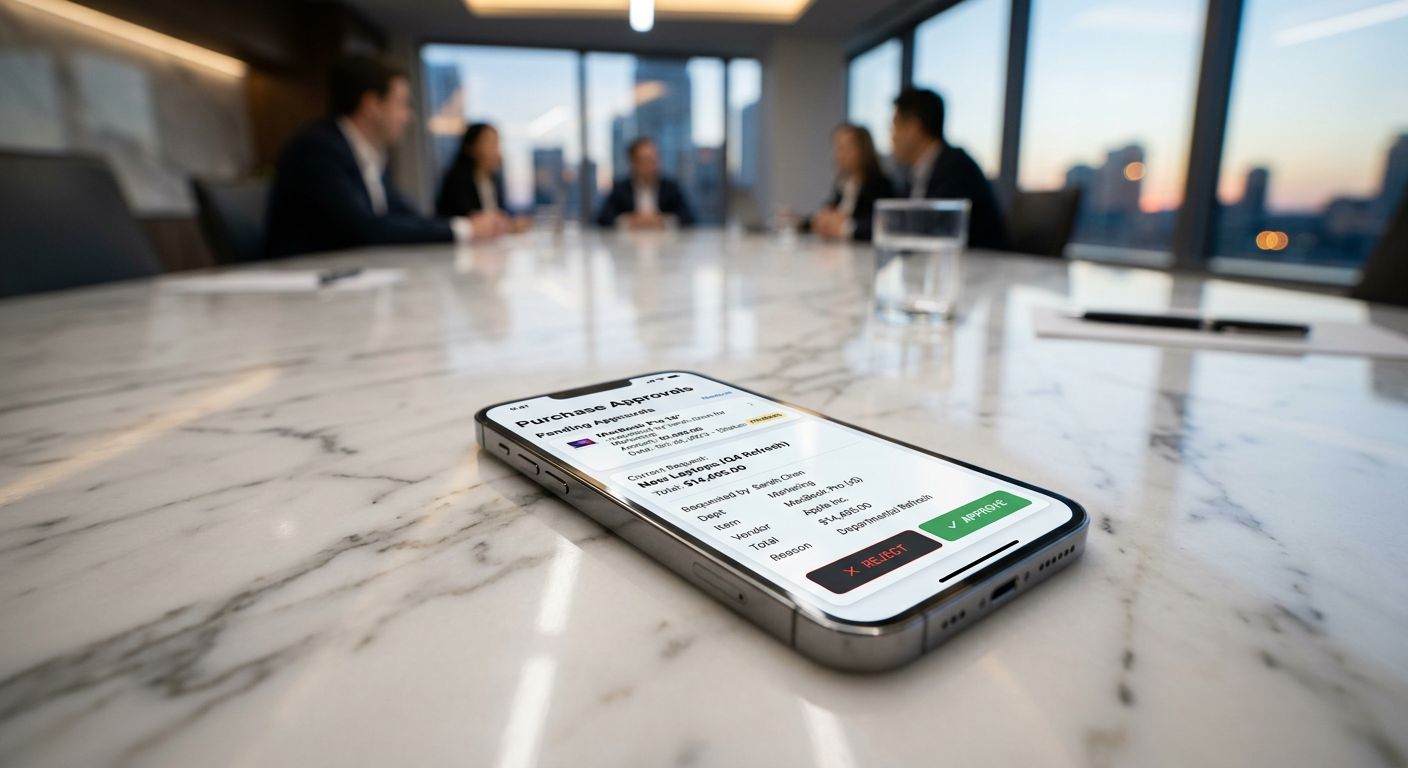
Zip has restructured corporate purchasing workflows by establishing an orchestration layer that sits directly on top of legacy financial ledgers. Rather than requiring general business users to navigate complex ERP portals, Zip serves as a unified digital intake hub. Employees initiate requests via browser forms, mobile interfaces, or conversational prompts within Slack and Microsoft Teams.
As a leading ai procurement software platform, Zip excels at cross-functional conditional routing. When an employee requests software, Zip’s machine learning engine inspects vendor domains, requested spend categories, and security compliance postures. It identifies whether the enterprise already holds active licenses with an overlapping vendor, preventing duplicate tool purchases.
The platform routes review tasks concurrently. Legal receives redline actions, security evaluates SOC 2 compliance, and finance cross-references remaining budget allocations in parallel. Zip’s AI extracts line-item deliverables from attached quotes, predicts appropriate general ledger coding based on historical records, and syncs validated purchase orders into systems like NetSuite, Workday, or SAP.
Practical Workflow Analysis: Configuration takes place inside a visual, no-code workflow engine. Procurement administrators can build conditional multi-branch routing rules in a matter of hours. When requests originate in Slack, requesters and reviewers can interact directly within thread notifications to resolve questions without context switching.
However, Zip functions primarily as an indirect spend orchestration platform. Organizations seeking detailed bills of materials (BOM) management, shop-floor replenishment schedules, or deep physical logistics coordination will find Zip unsuitable for direct supply chain manufacturing.
2026 Pricing & Plans: Custom quote (contact sales). Zip operates on an annual subscription model with an estimated entry floor around ~$40,000 per year, scaling with transaction spend volume, user headcount, and selected modules (such as advanced contract orchestration or accounts payable automation). Mandatory onboarding implementation fees apply, and pure intake routing is licensed separately from end-to-end P2P modules. No free tier is available.
Pros:
- Consumer-grade intake experience maximizes end-user adoption across non-finance departments.
- Parallel approval routing significantly reduces cycle times compared to sequential enterprise queues.
- Native Slack and Microsoft Teams integrations allow requesters and managers to act directly within messaging threads.
- Bi-directional API connectors interface cleanly with major general ledgers and contract repositories.
Cons:
- High contract entry point makes it cost-prohibitive for early-stage and bootstrapped companies.
- Lacks native functionality for direct materials sourcing, BOM explosion, and manufacturing inventory workflows.
BEST FOR ENTERPRISE SPEND INTELLIGENCE

Official Website: https://coupa.com
Best for: Fortune 2000 enterprises managing over $100M+ in spend requiring end-to-end P2P, global tax compliance, and automated risk management.
Coupa is an established global standard in comprehensive business spend management (BSM). Covering everything from strategic sourcing and procurement to invoice matching, expenses, and treasury, Coupa sets itself apart through its massive aggregated data network. Coupa’s Community.ai engine evaluates spending telemetry spanning trillions of dollars across global customer transactions, providing prescriptive spend benchmarks and risk telemetry.
SpendGuard acts as an autonomous financial control layer within the platform. By continuously scanning purchase orders, expense reports, and supplier invoices, its machine learning algorithms detect suspicious bank detail modifications, duplicate invoices, and split purchase orders engineered to bypass delegation-of-authority limits. Furthermore, Coupa’s Navi AI models support multi-step task execution, such as generating autonomous RFx events and batching payments.
Coupa provides robust international compliance infrastructure. It handles multi-national electronic invoicing regulations, complex cross-border VAT frameworks, and currency settlements across dozens of global jurisdictions. For enterprises operating complex global direct and indirect purchasing, Coupa offers deep ERP connectivity with SAP, Oracle, and Microsoft Dynamics ecosystems.
Practical Workflow Analysis: Deploying Coupa is a major enterprise commitment. System configuration involves extensive entity data mapping, custom approval hierarchy architecture, and catalog integration, typically requiring certified implementation partners over a multi-month period. Once deployed, it establishes strict financial governance, though non-procurement business users often find the administrative back-end interface dense and complex.
2026 Pricing & Plans: Custom quote (contact sales). Coupa does not publish fixed rates. Entry modules typically start around ~$50,000 per year, with median enterprise contracts ranging from ~$93,000 to over $250,000+ annually based on spend volume and modular additions. Implementation partner fees frequently add 50% to 150% of the Year 1 subscription license, and high-volume Navi AI operations consume discrete AI credits. No free tier is offered.
Pros:
- Community.ai leverages trillions of dollars in real-world transactional data to benchmark contract pricing accurately.
- SpendGuard provides continuous automated fraud detection, catching duplicate invoices and split purchase orders.
- Complete platform suite supporting source-to-pay, treasury, working capital optimization, and contract management.
- Comprehensive international regulatory compliance, handling multi-subsidiary taxation and global e-invoicing.
Cons:
- Complex, lengthy enterprise onboarding that frequently requires specialized third-party system integrators.
- High total cost of ownership including implementation overhead and modular feature expansion.
BEST FOR SUPPLIER RISK & AGENTIC ORCHESTRATION

Official Website: https://omnea.co
Best for: High-growth, compliance-heavy technology and financial institutions seeking automated Third-Party Risk Management (TPRM) paired with intake orchestration.
Omnea is an AI-native procurement and orchestration platform engineered to solve the disconnect between purchase intake and rigorous vendor risk assessment. Rather than treating compliance as a disconnected post-intake checklist, Omnea embeds supplier risk assessments, information security evaluations, and legal reviews directly into the purchasing flow. It provides a cohesive single front door for distributed teams.
As an advanced ai procurement software solution, Omnea deploys autonomous agents built to orchestrate end-to-end vendor reviews. The platform ingests vendor SOC 2 reports, ISO certifications, and data privacy policies, utilizing zero-data retention (ZDR) LLM models to identify compliance gaps automatically. It cross-references internal risk appetites against vendor documentation, reducing the manual review burden on internal information security teams.
Omnea also supports emerging enterprise standards, including Model Context Protocol (MCP) integrations that allow external AI copilots to query internal purchasing guidelines. Its automated workflow engine tracks supplier contract renewal windows, dynamically triggering renegotiation tasks months ahead of auto-renewal deadlines.
Practical Workflow Analysis: Administrators can design granular approval trees incorporating risk-tier thresholds. When an employee requests a service handling sensitive customer data, Omnea initiates automated security questionnaires and compliance checks before passing the requisition to finance. The interface is clean and modern, reducing user friction across non-technical departments.
However, Omnea is built specifically for indirect services, software, and vendor risk governance. It lacks capabilities for physical logistics, manufacturing bill-of-materials management, or industrial supply chain coordination.
2026 Pricing & Plans: Custom quote (contact sales). Omnea provides fixed annual subscription tiers based on organization size and connected ERP environments. Pricing does not impose per-transaction penalties, but enterprise onboarding fees scale based on custom ERP integration requirements. No free plan or self-serve trial is available.
Pros:
- Integrated Third-Party Risk Management (TPRM) automates security questionnaire evaluation and vendor audit reviews.
- Modern, intuitive intake interface drives high compliance without employee training hurdles.
- Zero-data retention (ZDR) architecture ensures sensitive corporate supplier documentation remains private.
- Automated renewal tracking actively prevents unwanted multi-year contract auto-renewals.
Cons:
- Requires a custom enterprise sales engagement without public pricing transparency.
- Not engineered for physical inventory, supply chain logistics, or direct manufacturing spend.
BEST FOR SAAS SPEND INTELLIGENCE & NEGOTIATION
Official Website: https://tropicapp.io
Best for: Mid-market technology companies whose primary spend is software, cloud tools, and AI consumption tokens looking for spend intelligence and contract negotiation support.
Tropic addresses a specific pain point in the modern enterprise: software and cloud spend sprawl. With organizations adopting dozens of specialized SaaS tools and consumption-based AI models, software commitments quickly become unmanageable. Tropic combines workflow intake software with comprehensive price intelligence datasets and assisted contract negotiation services.
As dedicated ai purchasing software, Tropic analyzes software supplier contracts to extract critical pricing data, discount tiers, and renewal obligations. Its machine learning models benchmark prospective software quotes against real-world transaction data, alerting procurement leads when a vendor quote exceeds standard market rates. The system also flags hidden renewal terms and variable consumption caps.
Tropic provides automated workflow orchestration to coordinate software approvals across finance, legal, and IT security teams. Beyond software intelligence, Tropic offers an optional assisted sourcing service where dedicated procurement negotiators handle contract discussions directly with software vendors, leveraging proprietary price indices to secure lower rates.
Practical Workflow Analysis: Implementation is relatively swift compared to full-suite P2P solutions. Tropic ingests historical contract PDFs, extracts data points into a centralized dashboard, and sets automated alerts ahead of renewal notification windows. The platform’s intake portal simplifies software requests, though non-software purchasing workflows feel secondary.
Organizations whose procurement extends into physical materials, facilities, or complex logistics will find Tropic’s software-centric focus insufficient for their broader operational needs.
2026 Pricing & Plans: Starting at ~$3,167 per month (billed annually at ~$38,000/yr). Tropic structures its pricing on flat annual tiers tied to employee headcount, with unlimited seat licenses included. Enterprise managed-negotiation concierge services and custom sourcing support require supplemental retainers. No free plan is provided.
Pros:
- Comprehensive software price benchmarking reveals true market rates and typical discount structures.
- Assisted negotiation services can handle direct supplier discussions to secure contract savings.
- Automated renewal alerts prevent unexpected auto-renewals across sprawling SaaS footprints.
- Transparent headcount-based subscription model includes unlimited end-user seat licenses.
Cons:
- Engineered exclusively for software, cloud, and indirect IT spend; unsuitable for physical direct goods.
- High-touch sourcing concierge features require additional retainer packages beyond the base platform fee.
BEST FOR MOBILE-FIRST ENTERPRISE SOURCING

Official Website: https://levelpath.com
Best for: Mobile-first workforces and distributed enterprises looking for a consumer-grade mobile intake and sourcing platform for enterprise procurement.
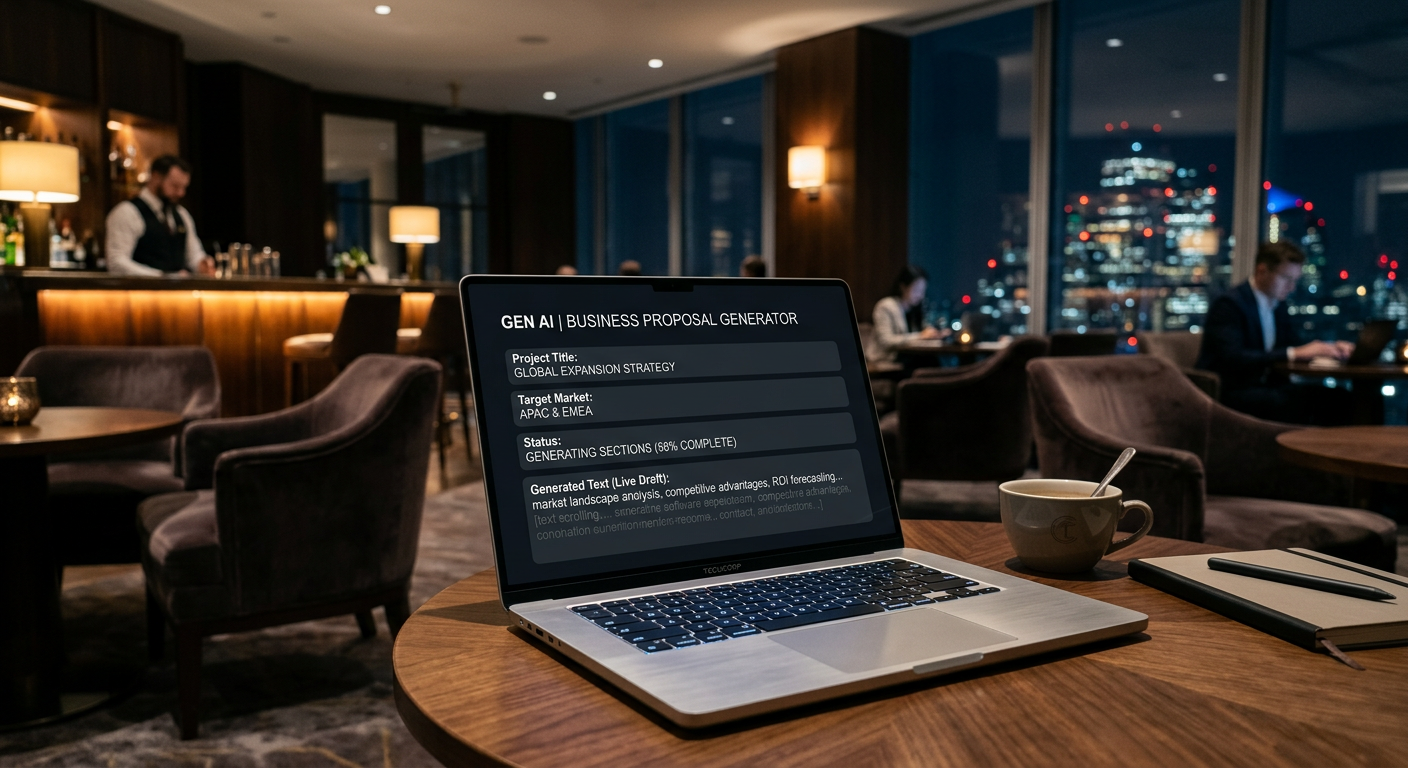
Levelpath was built to eliminate the administrative complexity that characterizes traditional enterprise procurement software. Designed with a mobile-first philosophy, Levelpath gives employees an intuitive, consumer-grade application to raise purchase requisitions, review supplier status, and track approvals on iOS, Android, or desktop browsers.
As a modern procurement ai software system, Levelpath deploys conversational AI agents to guide employees through the sourcing and intake process. Rather than requiring users to classify requests under obscure accounting terminology, Levelpath asks targeted operational questions in plain language. Its AI models map requests to relevant supplier categories, existing enterprise contracts, and active vendor profiles automatically.
The platform aggregates supplier relationship management, strategic sourcing pipelines, and intake approvals in a unified interface. Levelpath connects into enterprise ERP systems including SAP, Workday, and NetSuite, acting as a clean user-facing layer while maintaining existing general ledger audit trails.
Practical Workflow Analysis: The user onboarding process is fast due to the mobile-first consumer interface. Requesters can photograph a paper quote, submit a brief project description, and let the AI extract line items and vendor metadata. Enterprise procurement teams gain a central command view of project pipelines, active RFx events, and supplier risk scores.
However, enterprises requiring hyper-specialized physical supply chain logistics, direct manufacturing MRP integration, or complex warehouse replenishment logic will find Levelpath’s focus centered more around services, indirect purchasing, and strategic sourcing.
2026 Pricing & Plans: Custom quote (contact sales). Levelpath licenses its software through custom annual enterprise contracts based on organization scale, entity footprint, and sourcing pipelines. Professional services are typically required for custom ERP workflows and data lake integrations. No free trial or public pricing tier is available.
Pros:
- Consumer-grade mobile application provides high adoption rates for distributed, mobile-first workforces.
- Conversational intake guides employees through purchasing workflows without complex procurement training.
- Unified view of strategic sourcing pipelines, active vendor records, and cross-functional approvals.
- Smooth API connections push clean transactional records into core enterprise ERP ledgers.
Cons:
- Requires a custom enterprise sales quote and scoping process without public entry pricing.
- Not engineered for deep manufacturing BOM tracking or specialized ai direct procurement software workflows.
AI Procurement Software Comparison Table 📊
| Platform |
Best For |
Free Tier |
2026 Starting Pricing |
Editorial Rating |
| Zip HQ |
Intake & Approval Orchestration |
No (Demo sandbox) |
~$40,000/yr floor (Custom quote) |
4.8 / 5.0 |
| Coupa Software |
Enterprise Spend Intelligence |
No |
Custom quote (entry ~$50,000/yr) |
4.7 / 5.0 |
| Omnea |
Supplier Risk & Agentic Orchestration |
No |
Custom quote (contact sales) |
4.6 / 5.0 |
| Tropic |
SaaS Spend Intelligence & Sourcing |
No |
~$3,167/mo ($38,000/yr floor) |
4.5 / 5.0 |
| Levelpath |
Mobile-First Enterprise Sourcing |
No |
Custom quote (contact sales) |
4.4 / 5.0 |
Frequently Asked Questions About AI Purchasing Software
What is the difference between AI procurement software and AI purchasing software?
While the terms are often used interchangeably, they target different operational scopes. AI purchasing software primarily automates transactional tasks: purchase order generation, three-way invoice matching, and employee requisition routing. In contrast, ai procurement software spans the strategic lifecycle, encompassing supplier discovery, contract intelligence, dynamic RFx events, risk monitoring, and spend benchmarking.
How does an AI procurement software solution stop rogue or maverick spend?
AI platforms stop maverick spending by removing friction from the intake process. When staff can request software or vendor contracts through natural language in Slack or Teams, compliance increases dramatically. The system automatically inspects requests for duplicate vendors, verifies existing licenses, and routes requests to IT and legal before money is committed.
How does AI direct procurement software handle supply chain and BOM tracking?
Specialized ai direct procurement software connects directly into Material Requirements Planning (MRP) systems and shop-floor scheduling databases. These tools explode multi-tier Bills of Materials (BOM), analyze production schedules, track commodity market price fluctuations, and automate raw material replenishment to protect assembly lines from component shortages.
Why do modern procurement tools integrate Model Context Protocol (MCP)?
Model Context Protocol (MCP) gives internal AI agents real-time, governed access to organizational data lakes, contract repositories, and ERP catalogs. By standardizing communication between LLMs and enterprise databases, MCP allows AI assistants to query approval hierarchies and vendor contracts accurately without hallucinations or unauthorized data exposure.
How do intake orchestration platforms differ from full ERP suites?
Intake orchestration platforms like Zip or Omnea are not intended to replace foundational ERPs like NetSuite or SAP. Instead, they act as an intuitive front door that unifies employee requests, coordinates approvals, and validates compliance before passing clean transaction records into the ERP for general ledger accounting and payment execution.
Final Verdict & Architectural Recommendation
Selecting the right purchasing software depends on your dominant spend profile and existing ERP infrastructure:
- Select Zip HQ if your primary operational goal is eliminating intake friction, coordinating parallel cross-functional approvals across IT, legal, and finance, and creating an intuitive front door over your existing accounting ledger.
- Select Coupa Software if you are an enterprise organization with over $100M+ in spend requiring end-to-end business spend management, global e-invoicing compliance, and community-wide spend benchmarking.
- Select Omnea if you are a compliance-heavy technology or financial institution seeking unified intake orchestration coupled with automated Third-Party Risk Management (TPRM).
- Select Tropic if your dominant expenditures are SaaS subscriptions, cloud infrastructure, and AI consumption models, and you require contract price benchmarking and negotiation support.
- Select Levelpath if your enterprise has a distributed, mobile-first workforce that needs consumer-grade requisition tracking and strategic sourcing workflows.
Deploying modern artificial intelligence procurement software turns procurement from a bureaucratic bottleneck into a proactive financial control center. Organizations should start by centralizing intake to capture visibility over commitments, then layer in predictive vendor risk analysis and spend intelligence as transaction volumes expand.

Written by Giorgi Sakandelidze
I research and compare software tools using official documentation, pricing pages, and verified user feedback to help solopreneurs and business leaders find the right fit.
How we research and compare tools →
Views: 1,066